Research
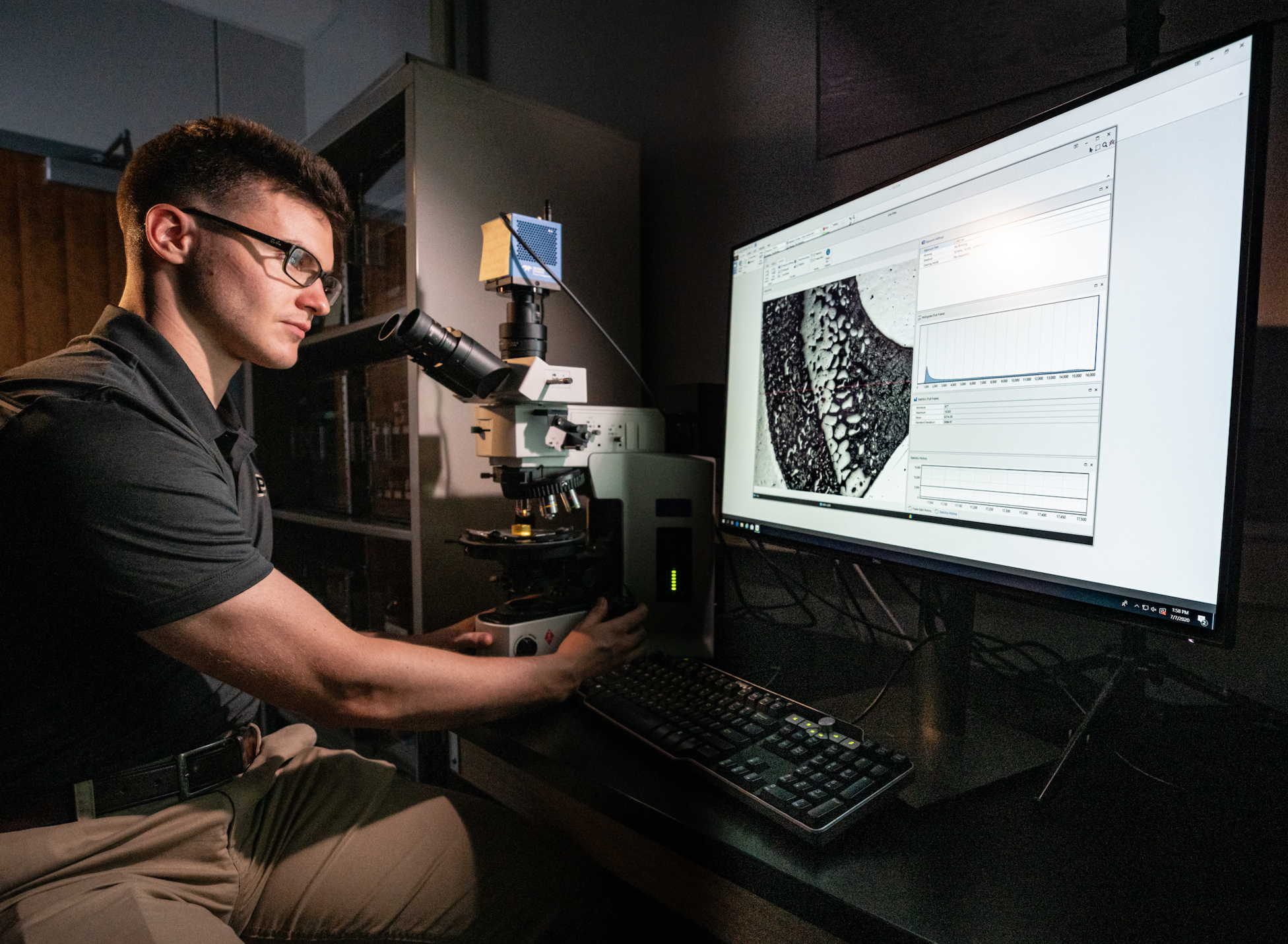
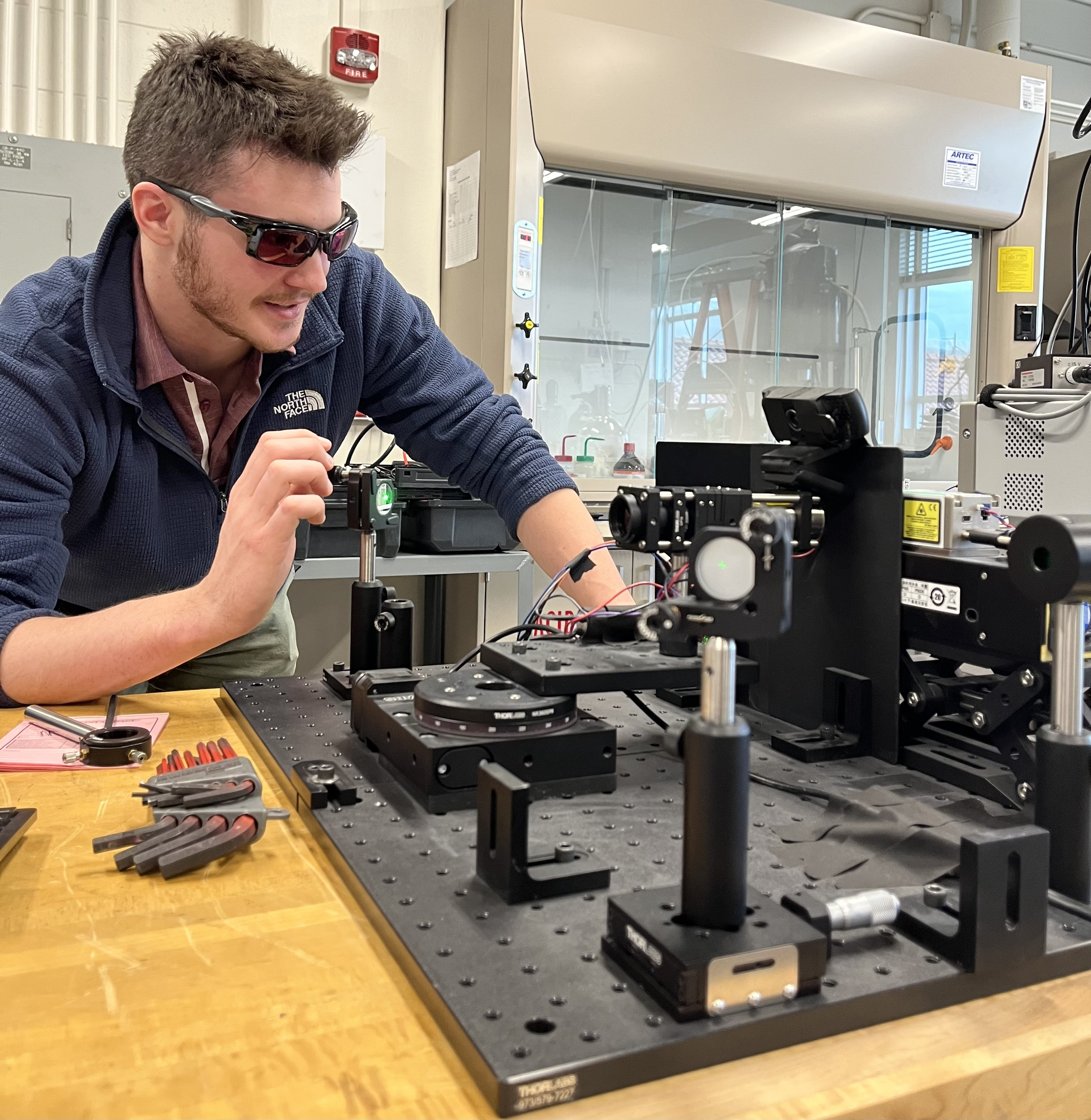
I am currently a PhD candidate at Purdue working with Prof. Alexandria Johnson. For my first project, I helped build and characterize the Exoplanet Cloud Ensemble Scattering System (ExCESS), an instrument that allows us to measure the scattering intensities and polarization of particles at many different viewing angles. This work is important since realisitic, irregularly shaped particles scatter light much differently than idealized (i.e., spherical) particles, and this can impact the observational features of exoplanets. I focused on measuring the scattering properties of potassium chloride (KCl), which may form cubic/cuboid cloud particles on planets warmer than Earth.
For my more recent researh projects, I use the radiative transfer model PICASO to better understand how various cloud condensates impact the reflected light that we observe from exoplanets. I have also made modifications to PICASO’s back-end scattering functionality, which allows us to compare how exoplanet clouds scatter light when using theoretical scattering approximations vs. laboratory-measured data. This work will help us to make sure we are best characterizing the optical properties of clouds, which is especially important as the next generation of space telescopes takes flight.
Throughout my undergraduate research, I had the chance to work on a variety of research projects in the space sciences. I started by studying properties of the circumgalactic medium of low-redshift galaxies with Prof. Jennifer Scott at Towson University. At the Applied Physics Lab with Dr. Nancy Chabot, I studied the thermal and illumination conditions of permanently-shadowed volatile deposits in Mercury’s polar regions, and published a first-author paper on some of our results. I also had the opportunity to work in APL’s Meteorite Lab, where I concocted lab-made meteorites using a high-temperature furnace in order to better understand the effects of troilite (FeS) formation on trace element chemistry.